Student Housing in Kenya: A Different Kind of Landlord Business
Semester cycles instead of annual leases, parental guarantors, high turnover, and wear-and-tear that behaves nothing like a family unit. Student housing has its own rules.
A landlord who's only ever rented to working professionals and families, then buys a block near a university campus, usually learns within one semester that student housing is not the same business wearing a different name. The rhythms are different. The risks are different. The things that keep a family-unit landlord up at night barely register for a student-housing landlord, who instead loses sleep over entirely different problems.
The Calendar Runs on Semesters, Not Years
In most Kenyan university towns, from Eldoret to Egerton's Njoro to the cluster of institutions around Nairobi and Nakuru, the demand for student housing follows the academic calendar closely, not the standard twelve-month lease cycle landlords are used to.
That means turnover isn't a once-a-year event spread randomly across your portfolio. It's concentrated, often brutally, around the start and end of semesters. A block of forty units might see fifteen move-outs and twelve move-ins within the same two-week window, right as a new semester begins. Landlords who don't plan for this find themselves overwhelmed at exactly the moments when speed matters most, because an empty student unit in week two of a semester is far harder to fill than the same unit in week one, once students have already settled wherever they landed.

Guarantors Matter More Than Credit History
Most student tenants don't have an income history, a payslip, or a track record as a renter. What they do usually have is a parent or guardian paying, or at least backing, the rent. This changes how vetting works in practice.
The conversation that matters most often isn't with the student but with whoever is paying, confirming that the parent or guardian understands the rent amount, the payment schedule, and what happens if a payment is late. Landlords who skip this and deal only with the student directly often find themselves chasing a 19-year-old for money that was supposed to come from a parent upcountry who didn't realize a payment was overdue because nobody told them directly.
Some landlords formalize this by requiring the guarantor's contact details and a brief written acknowledgment as part of the lease, which, while not eliminating late payments, at least means there's a clear second point of contact when a student stops responding.
Wear and Tear Behaves Differently
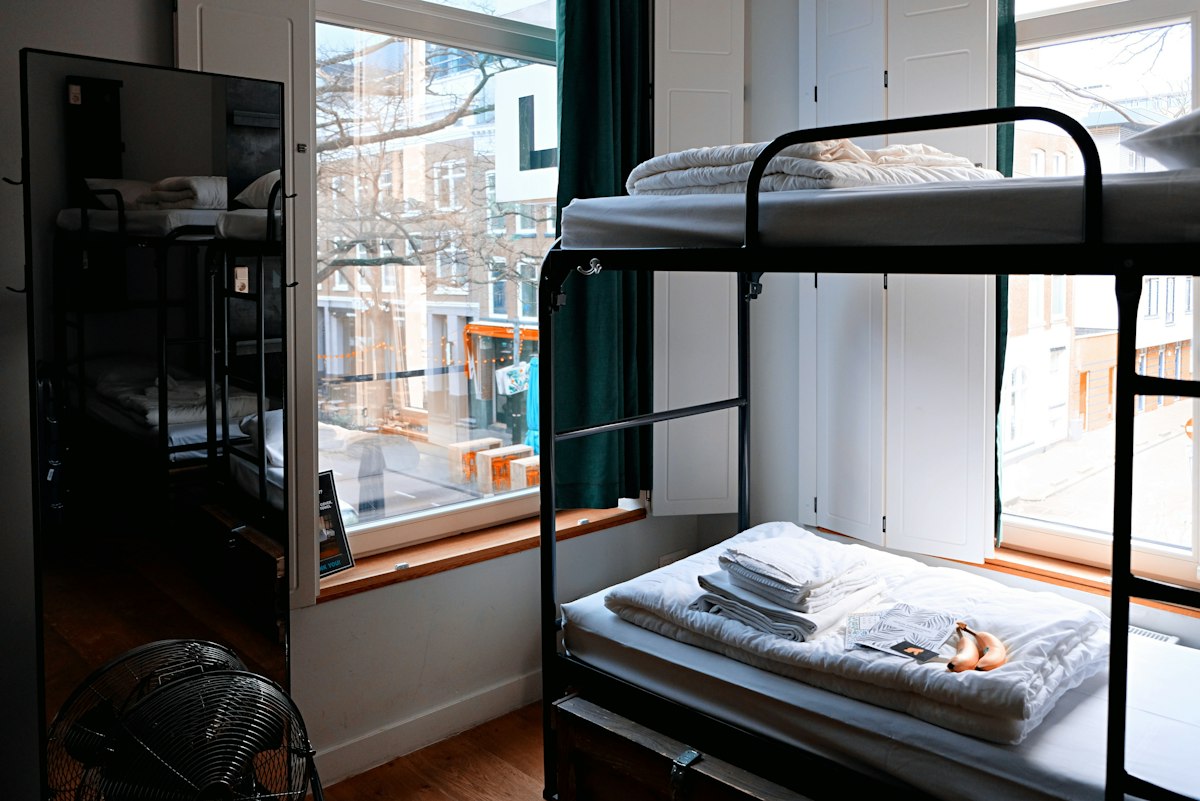
A family unit, occupied by the same two or three people for a year or two, tends to show wear gradually and predictably: normal scuffing, a bit of paint fading, ordinary appliance aging. A student unit, especially one shared by two or three roommates who may rotate during the year, sees a different pattern entirely. More foot traffic, more guests, more cooking (often on makeshift setups when a proper kitchen isn't provided), and a higher likelihood of things like broken door handles, damaged mattresses, or a shower that's seen heavier use than a single working adult would put it through.
This isn't a judgment on students as tenants. It's simply a different usage pattern, and landlords who budget maintenance costs as if a student unit will wear like a family unit consistently underestimate their actual annual repair costs. Furnished student units in particular need a more aggressive maintenance and replacement cycle for things like mattresses, chairs, and cooking equipment than landlords coming from family housing initially expect.
Collection Rhythms Follow Disbursement Dates, Not the 1st of the Month
Family tenants, generally salaried, tend to pay rent around the 1st, because that's when salaries land. Students, by contrast, often depend on HELB disbursements, allowances from parents, or part-time income that doesn't follow a clean monthly schedule at all. HELB disbursements in particular can be delayed by weeks for reasons entirely outside any individual student's control.
Landlords who rigidly enforce a 1st-of-the-month due date against a HELB-dependent tenant population often find themselves in constant friction over timing that nobody can actually control. A more realistic approach, common among experienced student-housing landlords, is building some flexibility into due dates, perhaps collecting a larger deposit upfront to cover the uncertainty, and communicating clearly and early when disbursement delays are publicly known to be happening, which they often are, since HELB delays tend to affect large numbers of students simultaneously and get reported on fairly quickly.
Shared Units Need Clear Individual Accountability
When three students share a unit and split rent, landlords need to decide, explicitly, whether they're renting to a group jointly responsible for the full amount, or to individuals each responsible for their specific share. The second model sounds fairer to students but creates far more administrative complexity, chasing three separate partial payments instead of one full one, and dealing with the situation where one roommate pays and the other two don't.
Most successful student-housing operations lease to the group jointly, holding all occupants collectively responsible for the full rent, and let the students sort out the internal split among themselves. It shifts the collection problem to where it's easier to solve, among people who live together and see each other daily, rather than to a landlord trying to track three separate partial payments against one unit.
Security and Curfew Considerations
Depending on the institution and the surrounding area, some student-housing landlords implement gate closing times or require visitor sign-ins, particularly for properties marketed toward parents who are understandably concerned about safety for a student living away from home for the first time. This isn't universal, and it depends heavily on the specific market and the age and profile of the student tenant base, but it's worth considering as both a safety measure and a selling point when marketing to parents who are, in many cases, the ones actually making the decision about where their child will live.
Why the Underlying Systems Still Matter
Despite all these differences, the underlying need, clear records of who owes what, when units will turn over, and what maintenance has been done, doesn't go away in student housing. If anything, the faster turnover and higher volume of smaller transactions make good systems more necessary, not less, because the margin for manual tracking error multiplies with every additional move-in and move-out cycle.
Running student housing with dozens of fast-turnover units is its own challenge. Start a free 30-day trial at Makeja Homes and keep every lease, deposit, and payment organized through every semester's churn.
Ready to try it yourself?
Free 30-day trial. No credit card. Set up in under 10 minutes.
Start free trial →