Why Maintenance Teams Need Real Inventory Tracking
A caretaker who can't find a tap washer at 6pm on a Friday is a problem your spreadsheet created, not one he did.
Picture a Friday evening. A tenant calls about a leaking tap, the kind of small job that should take twenty minutes. The caretaker heads to the store room, and the right size washer isn't there. Nobody's sure if it was used on another job last week, sold off, or just never restocked after the last purchase. He drives to a hardware shop that's about to close, pays whatever they're charging because he has no leverage to negotiate at 7pm on a Friday, and the twenty-minute job becomes a two-hour errand plus an overpriced part.
Multiply that scenario across a portfolio of any real size, and you start to see why "we'll just keep some spare materials around" without any actual tracking is quietly one of the more expensive habits in property maintenance.
What "No Real Inventory Tracking" Actually Looks Like
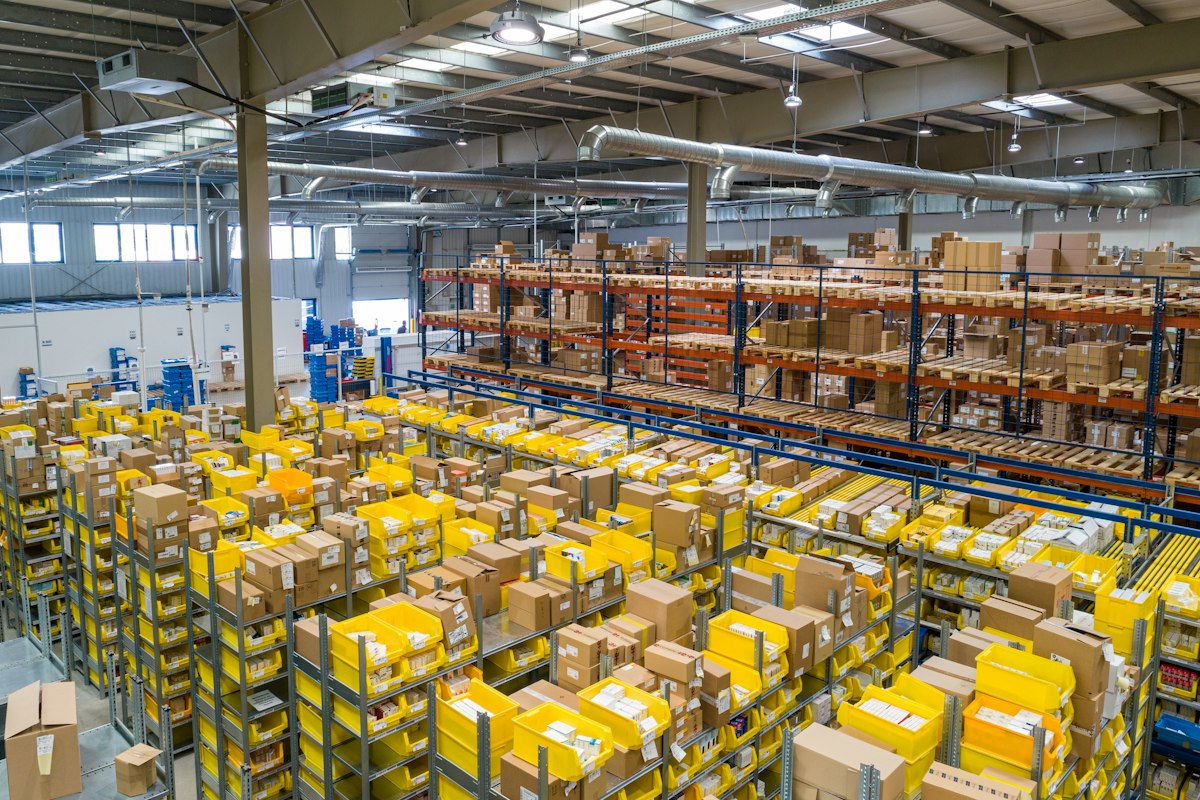
Most small and mid-sized landlords in Kenya don't have zero inventory, they have untracked inventory. There's a store room, or a cupboard, or a shelf in the caretaker's quarters, with some plumbing fittings, some paint, maybe a spare geyser element or two. Materials get added when someone remembers to buy extra on a hardware run, and get used whenever a job needs them, with no record connecting what came in to what went out.
This works fine for exactly as long as nothing goes wrong, which is to say, it doesn't really work at all, because something always eventually goes wrong: a part needed urgently isn't there, a material bought for one job was already used on a different one without anyone updating anyone else, or a landlord discovers the "inventory" has quietly been worth less than expected for months because nobody could see it shrinking.
The Purchase Order Concept, Explained Simply
A purchase order sounds like corporate jargon for what's actually a simple idea: before you buy materials, you write down what you're buying, how much, for what job, and who's buying it. Then when materials arrive, you record what actually came in against that order. And when they're used, you record what job consumed them.
That's the whole concept. Three connected records, request, receipt, usage, instead of one vague pile of "stuff we have" with no history attached.
Here's why this matters more than it sounds like it should:
It tells you what you actually have, right now, without walking to the store room
If every item that comes in and goes out is logged, your inventory count is always accurate on paper, which means you know you're low on washers before Friday evening, not during it.
It ties cost to a specific job, which makes cost actually meaningful
Without this, "maintenance cost us KES 180,000 this quarter" is a number with no story behind it. With purchase orders tied to specific jobs, you can see that Unit 14's recurring plumbing issues have cost KES 22,000 across four visits this year, which is the kind of number that tells you it's time for a proper fix instead of another patch.
It catches the quiet discrepancies before they become a real loss
If ten liters of paint were purchased and only six were used across logged jobs, that's a question worth asking while it's a small gap, not a pattern you only notice after a year of consistent shrinkage.
It lets you negotiate and plan purchases instead of buying under pressure
Knowing you'll need geyser elements for three units going into the dry season means you can buy in bulk at a reasonable price, rather than paying retail, one unit at a time, every time one fails.
How This Actually Works Day to Day
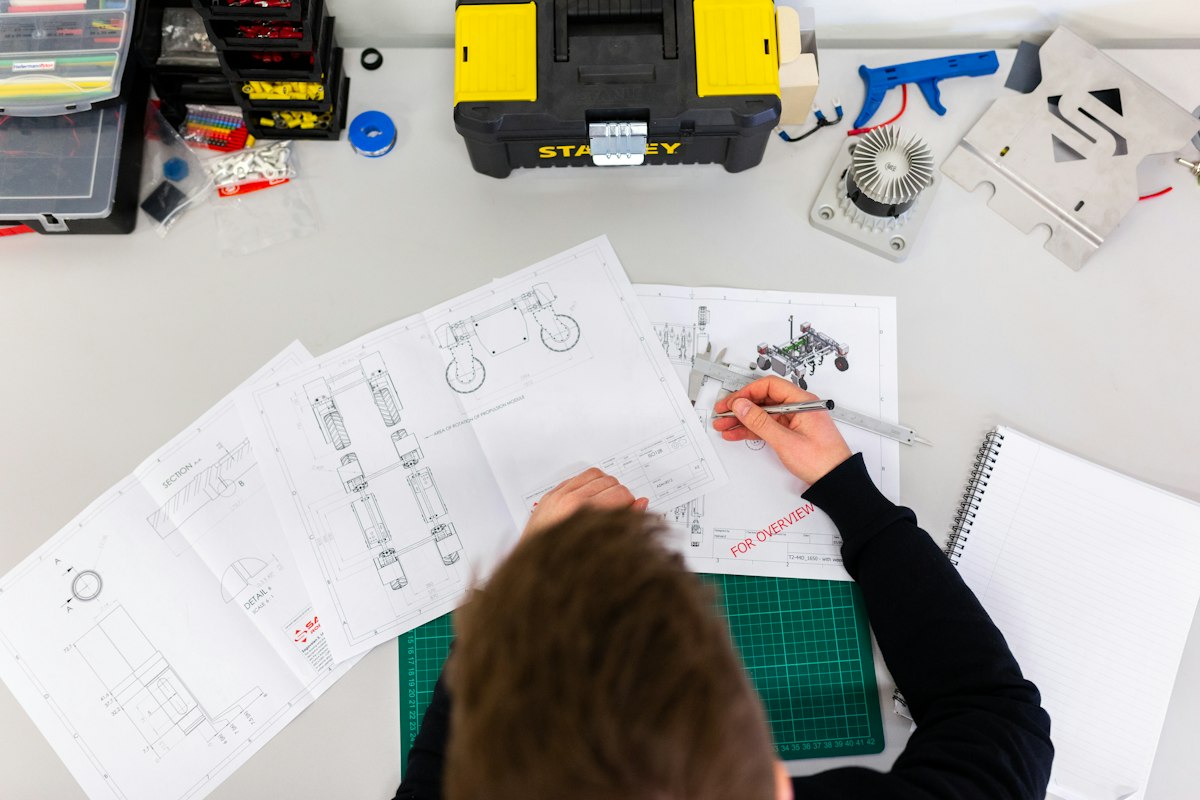
In practice, a caretaker or storekeeper logs a maintenance request as it comes in, say, a leaking tap in Unit 14. If materials are needed, they're requested against that specific job. Once purchased, the materials are recorded as received, ideally with a receipt attached if the cost is above whatever threshold you've set. When the job is completed, the system shows exactly what was used, what it cost, and how long it took.
None of this needs to be complicated or slow down the actual repair. A good system makes logging a request or a purchase a thirty-second task on a phone, not a form nobody wants to fill out. The friction has to be lower than the friction of just not tracking anything, or staff will quietly stop doing it.
This Isn't Just About Preventing Loss
It's tempting to frame inventory tracking purely as a theft-prevention or cost-control measure, and it does serve that purpose. But the bigger, more common benefit is simply operational speed. Maintenance teams that know what they have, and where, fix things faster. Tenants get faster responses. Caretakers spend less time driving to hardware shops for parts that should have already been on hand. The Friday-evening scramble becomes rare instead of routine.
Good inventory tracking is one of those unglamorous systems that doesn't show up in any tenant's review of your property, but quietly shapes whether maintenance feels responsive or chronically behind.
Give your maintenance team a system that tracks materials from purchase order to completed job. Start a free 30-day trial at Makeja Homes and stop finding out you're out of stock at the worst possible time.
Ready to try it yourself?
Free 30-day trial. No credit card. Set up in under 10 minutes.
Start free trial →