Rent Collection in Kenya: Every Method Compared, From Cash to STK Push
Cash, Paybill, till numbers, bank transfer, STK push. Each one has a real tradeoff. Here's an honest comparison, not a pitch for the newest option.
There's no universally "best" way to collect rent in Kenya. There's a best way for your situation, your tenant base, and how many units you're dealing with. Here's an honest look at each method, including the ones that still work perfectly well for plenty of landlords.
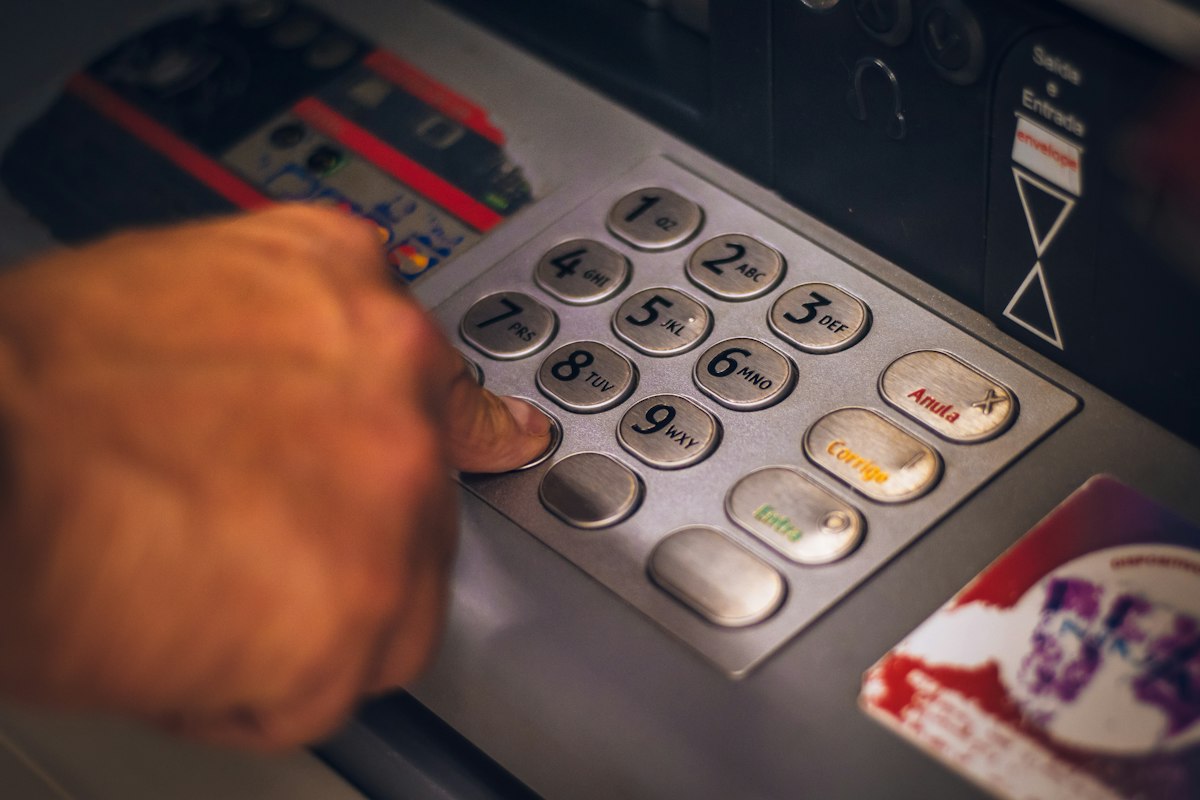
Cash
Cash still works, particularly for landlords with a handful of units they manage personally, often living on-site or nearby. There's no transaction fee, no technology to learn, and tenants who are less comfortable with mobile banking have no barrier to paying.
The downsides are real too: no automatic record unless you write one, a security risk if you're physically holding and transporting cash, and no way to prove a payment happened except your word or a handwritten receipt. For one or two units where you know every tenant personally, cash is a reasonable, low-friction choice. Past a handful of units, the lack of a paper trail starts to cost you in disputes.
M-Pesa Paybill
A Paybill number lets you collect rent with each tenant entering an account number, often their unit number, as a reference. This gives you a basic ability to tell payments apart on your statement.
It's a solid middle option: widely trusted, tenants already know how to use it, and you get an M-Pesa statement as a record. The friction shows up at scale. If 25 tenants are all paying in the same few days, matching references to units and amounts by hand becomes a real chore, and typos in the reference field (a tenant typing "Unit 5" when the system expects "5") create exactly the kind of confusion that leads to "I already paid" disputes.
M-Pesa Till Number
A Till number is built for buying goods, not for structured rent collection, and it shows. There's no clean reference field the way Paybill allows, so matching a payment to a specific tenant and bill relies on the tenant's registered name and your memory of who's supposed to be paying. For a landlord with two or three units, this is manageable. For more than that, it gets messy fast, and we'd generally steer landlords toward Paybill over Till for anything beyond a very small portfolio.
Bank Transfer
Some tenants, particularly in higher-end units or commercial leases, prefer paying by direct bank transfer. It's reliable and leaves a clear bank-side record. The friction is speed and confirmation: transfers between different banks can take anywhere from instant to a business day, and you're relying on the tenant to send proof (a screenshot or reference number) so you know to expect it and can match it when it lands.
STK Push (Pay Now via Checkout)
This is the newer model: the tenant clicks a "Pay Rent" link or button, gets an M-Pesa prompt on their phone (the STK push), enters their PIN, and the payment is confirmed in seconds. Because the tenant is identified in the system before they pay, usually through a logged-in tenant portal, the payment can be matched automatically to the right person and bill without anyone doing it by hand.
The honest limitation: it requires both the landlord and tenant to be using a system that supports it, and there's typically a small transaction fee built into the payment gateway (similar in principle to the fees already present in most digital payment rails). For a landlord managing a sizeable number of units, the time saved on reconciliation usually outweighs that fee many times over. For a landlord with two units who already knows instantly when rent lands, it's a smaller win.

So Which One Should You Actually Use?
| Method | Best for | Watch out for |
|---|---|---|
| Cash | 1-3 units, personally managed | No record, security risk |
| Paybill | Small to mid portfolios | Manual matching at scale |
| Till Number | Very small, informal setups | No clean reference field |
| Bank Transfer | Higher-end or commercial leases | Confirmation delay |
| STK Push | Growing portfolios, multiple tenants | Needs a supporting system, small fee |
Most landlords land somewhere between Paybill and STK push, and plenty run a hybrid: digital collection for tenants who prefer it, with cash or manual verification still available for those who don't. The method matters less than having a consistent way to confirm and record whatever comes in, so that at month end you're not reconstructing who paid from memory and a pile of screenshots.
Want to see how automatic payment matching works without the manual reconciliation headache? Take an interactive tour at makejahomes.co.ke/demo.
Ready to try it yourself?
Free 30-day trial. No credit card. Set up in under 10 minutes.
Start free trial →